The house
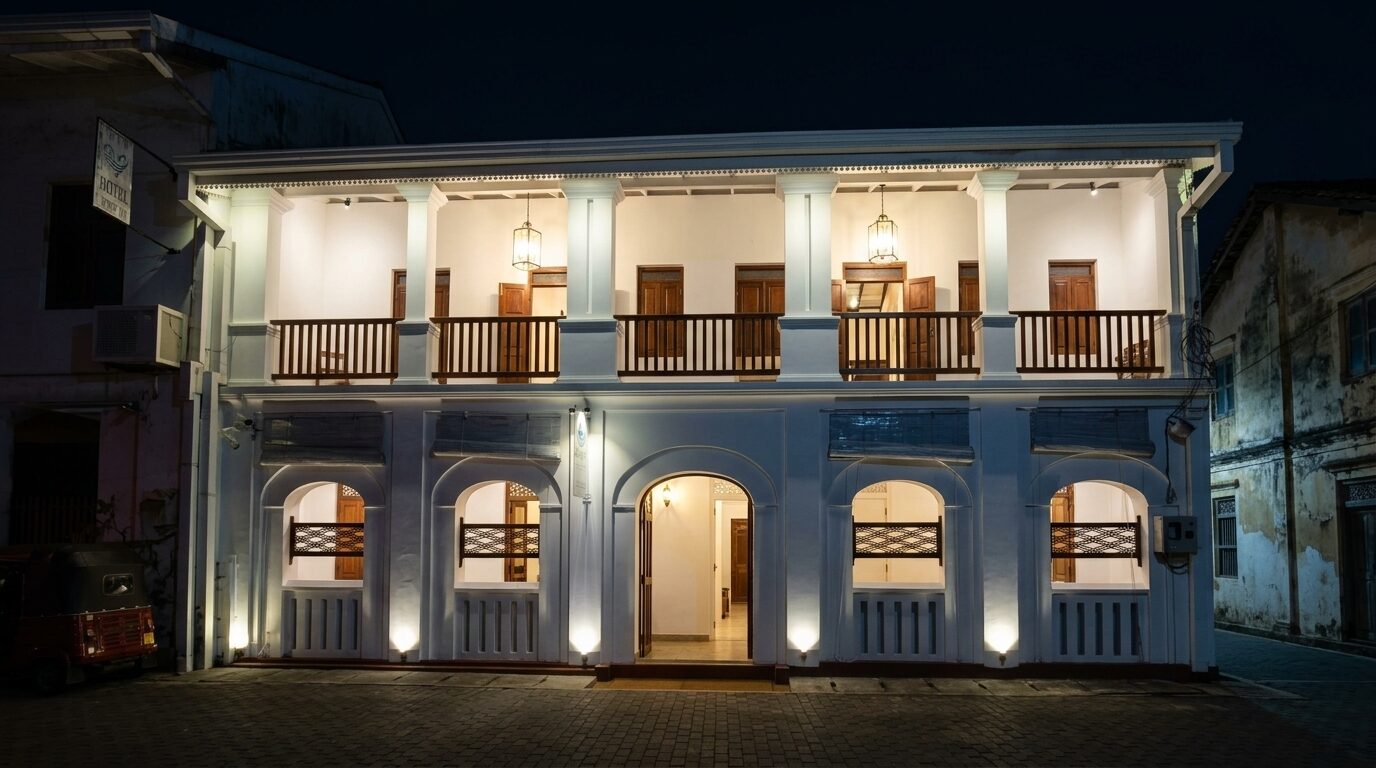
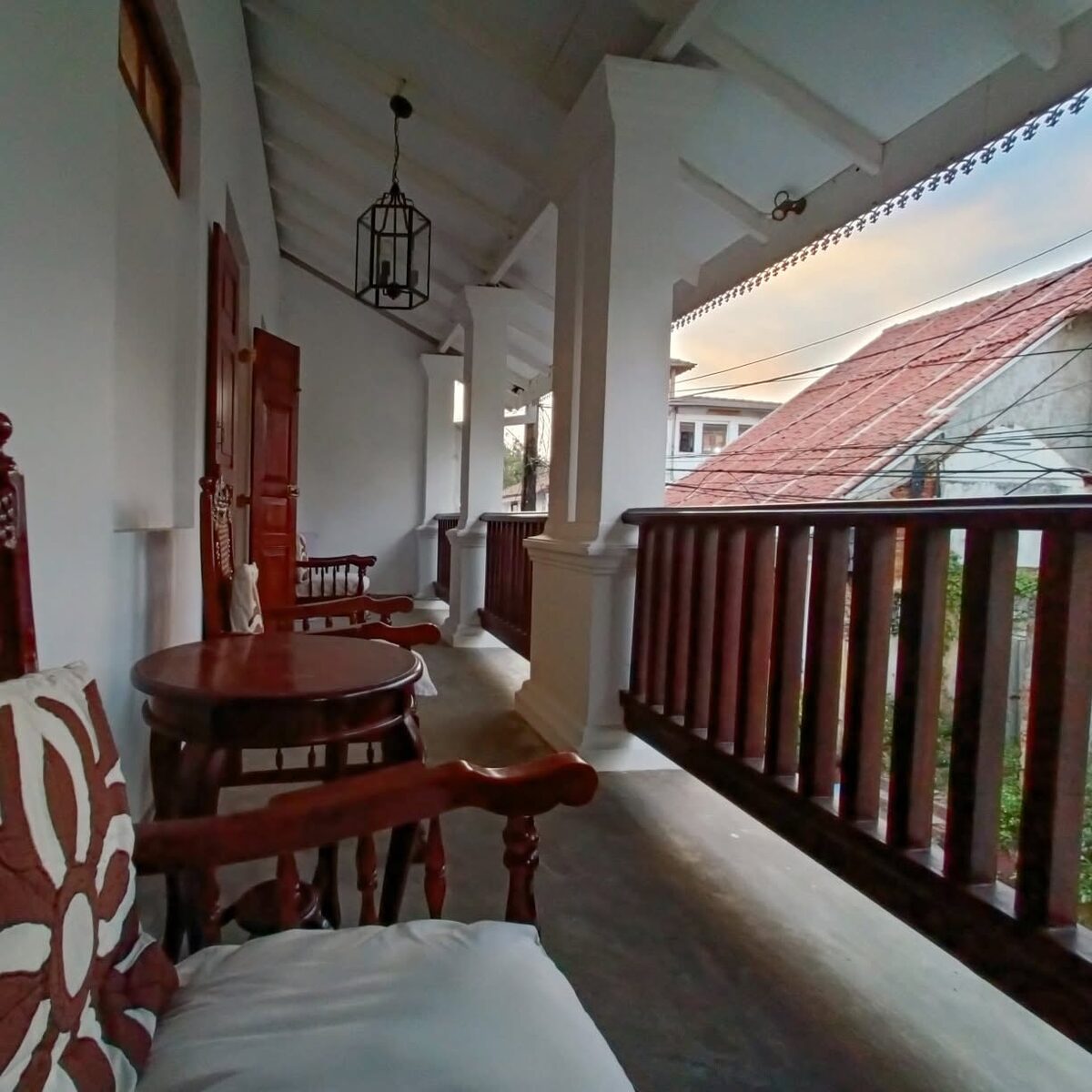
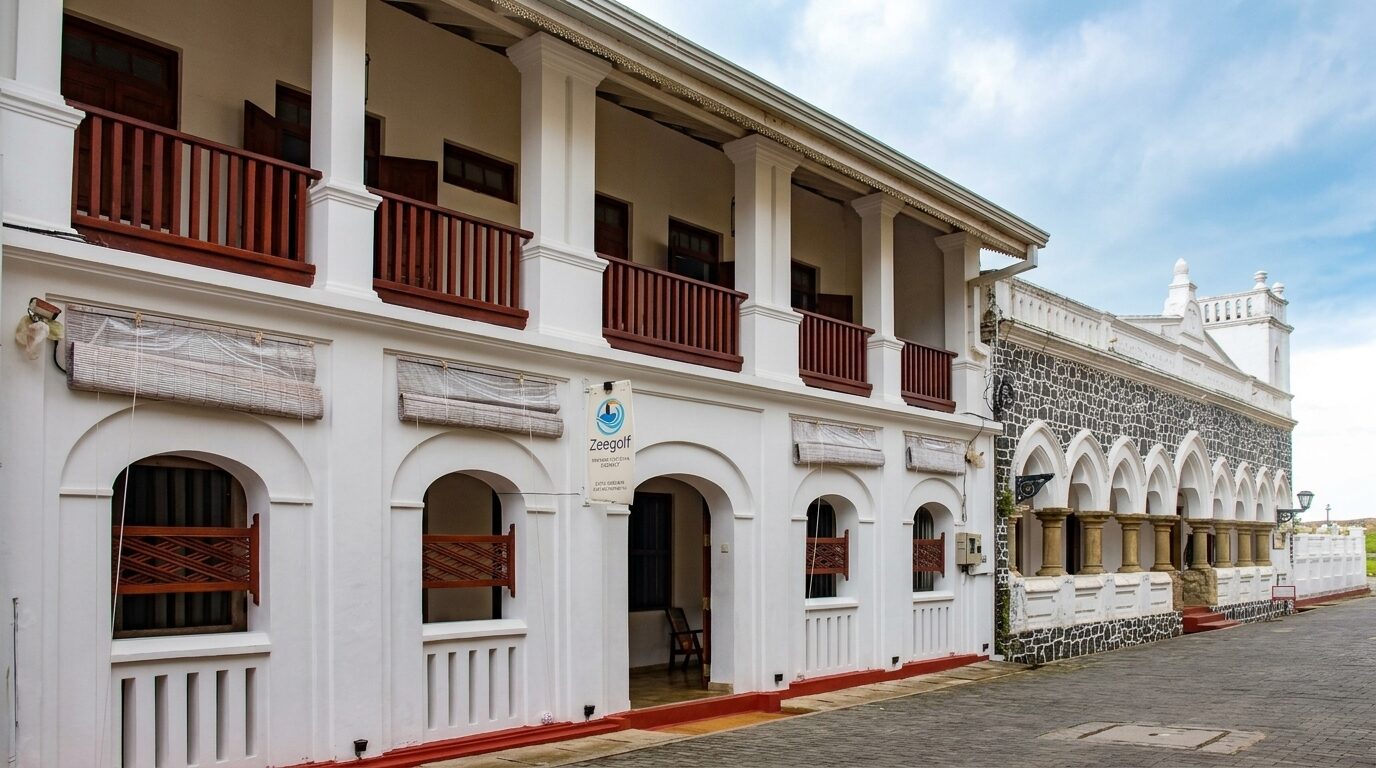
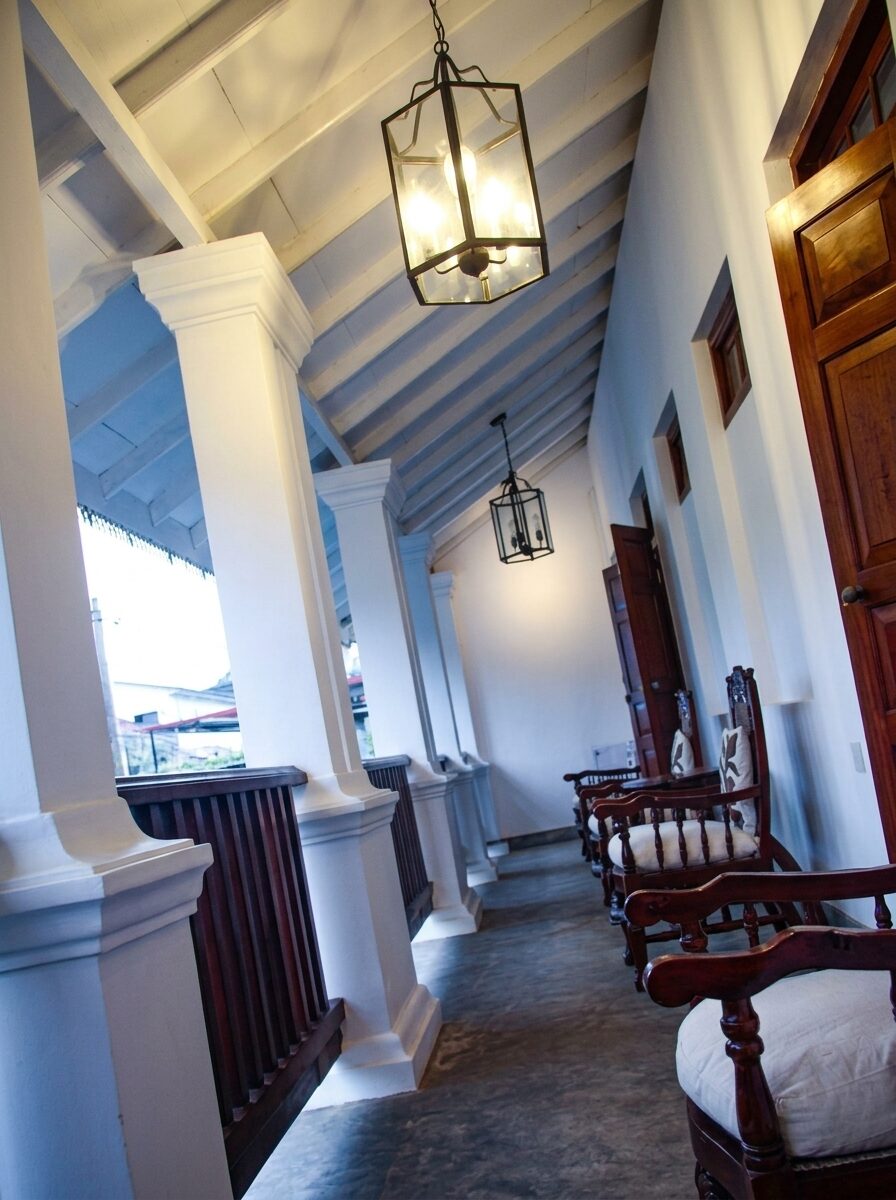
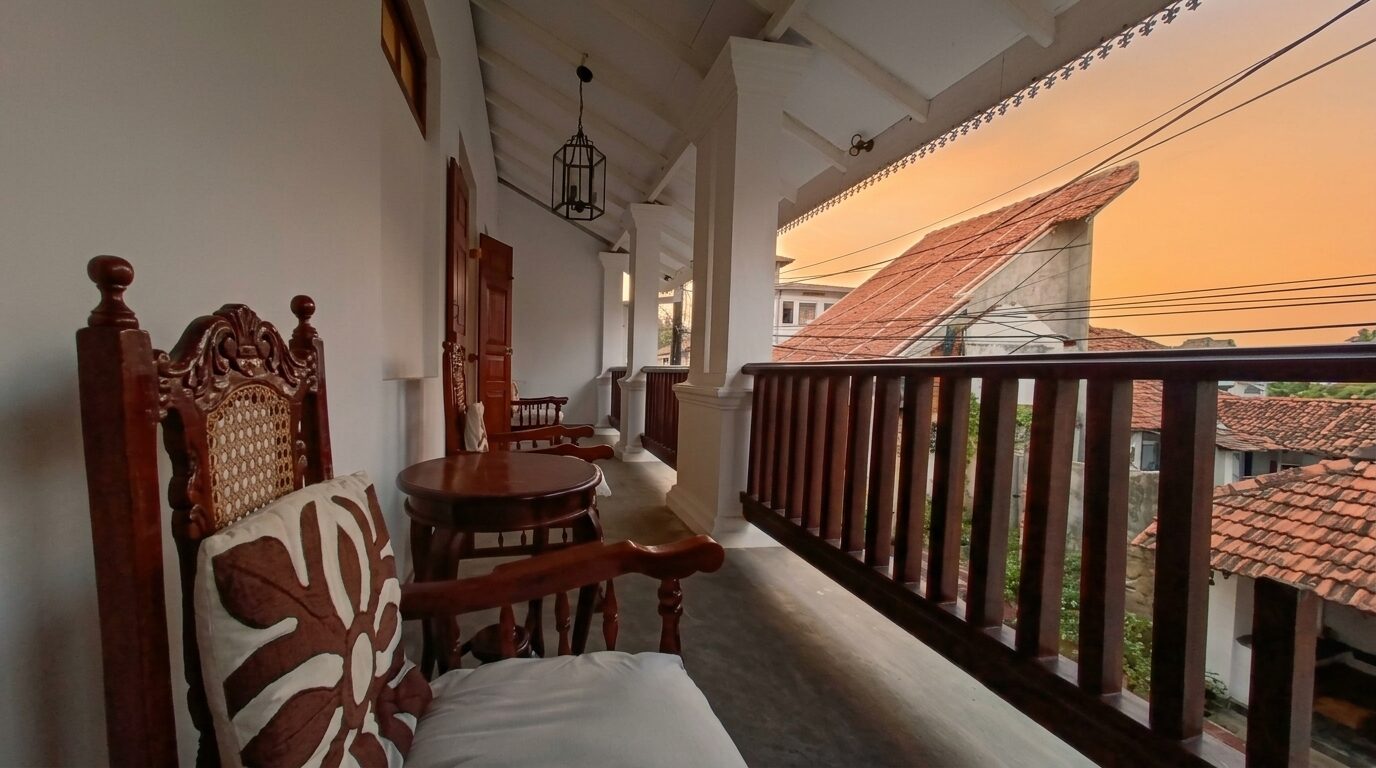
The history of our building dates back to the 1910s, when Sri Lanka was under British rule and the Fort was still a working Dutch-built town. Whitewashed walls, arched windows with original timber shutters, teak balconies and a long upper verandah: the structure our grandfather first moved into still stands, and is well taken care of.
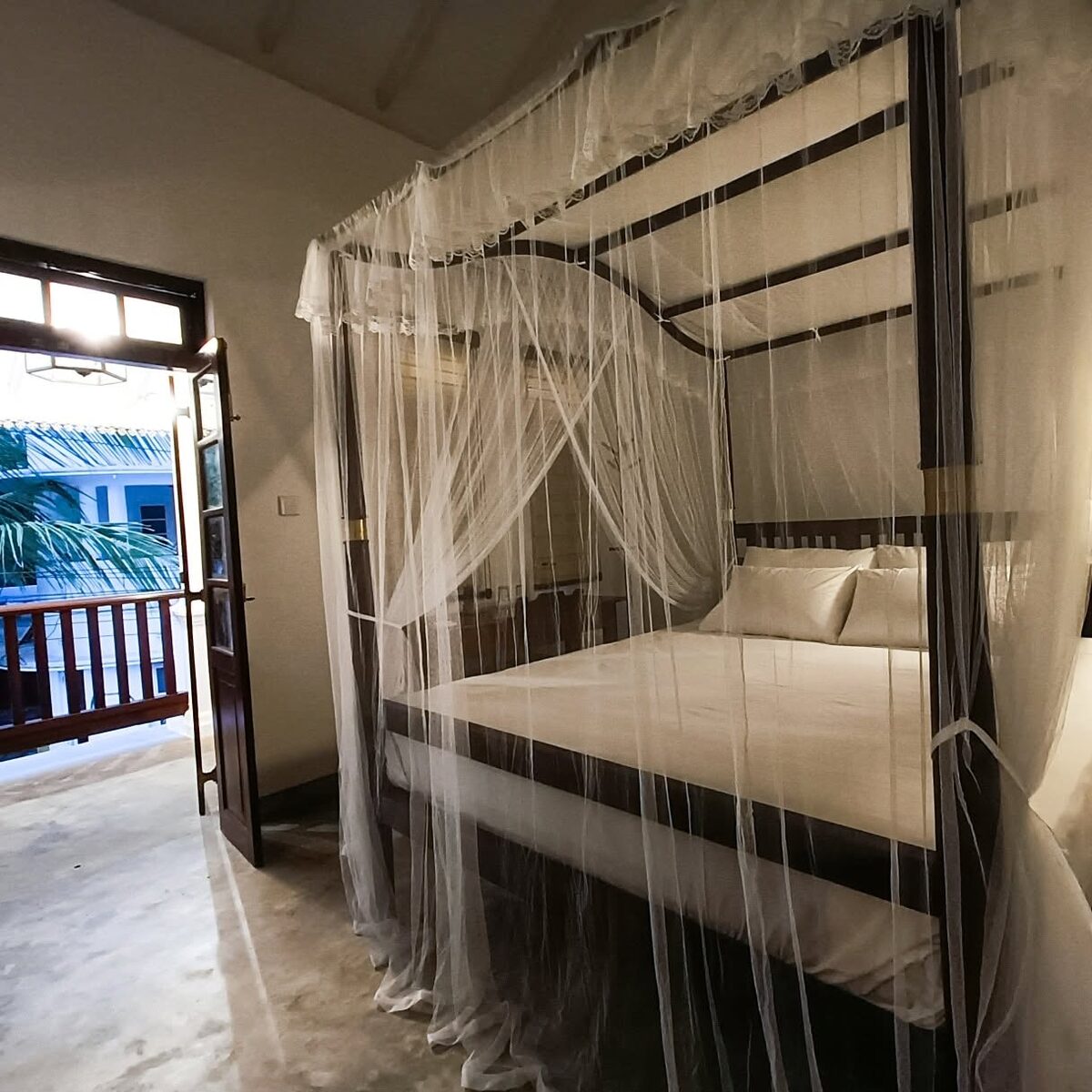
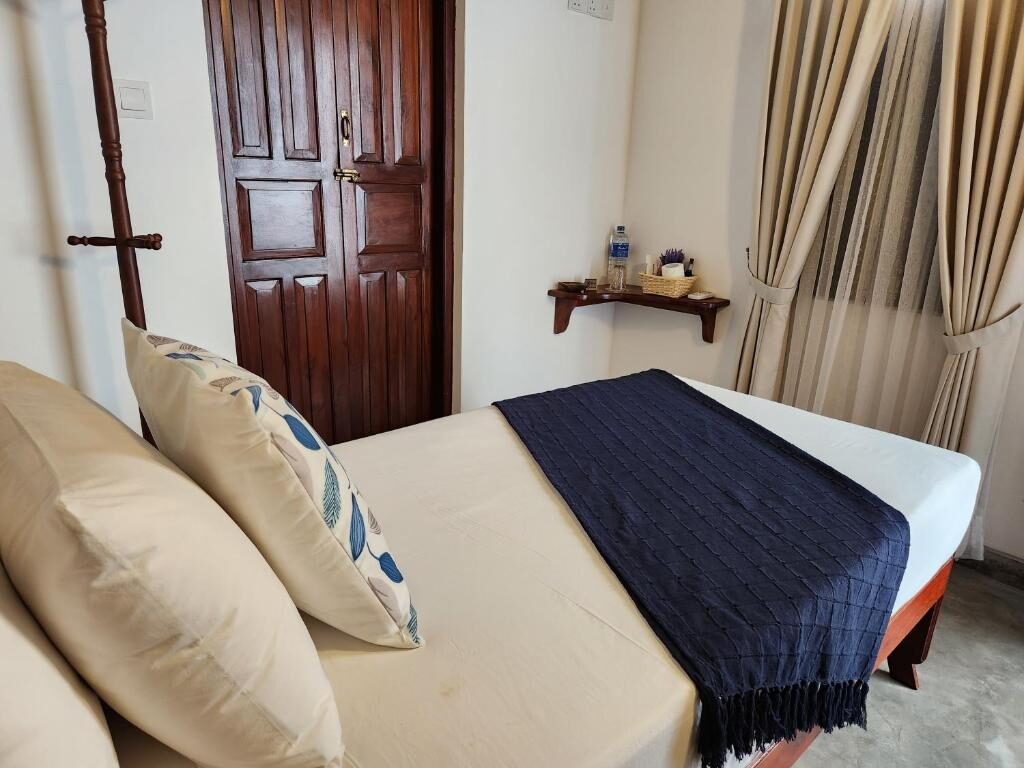
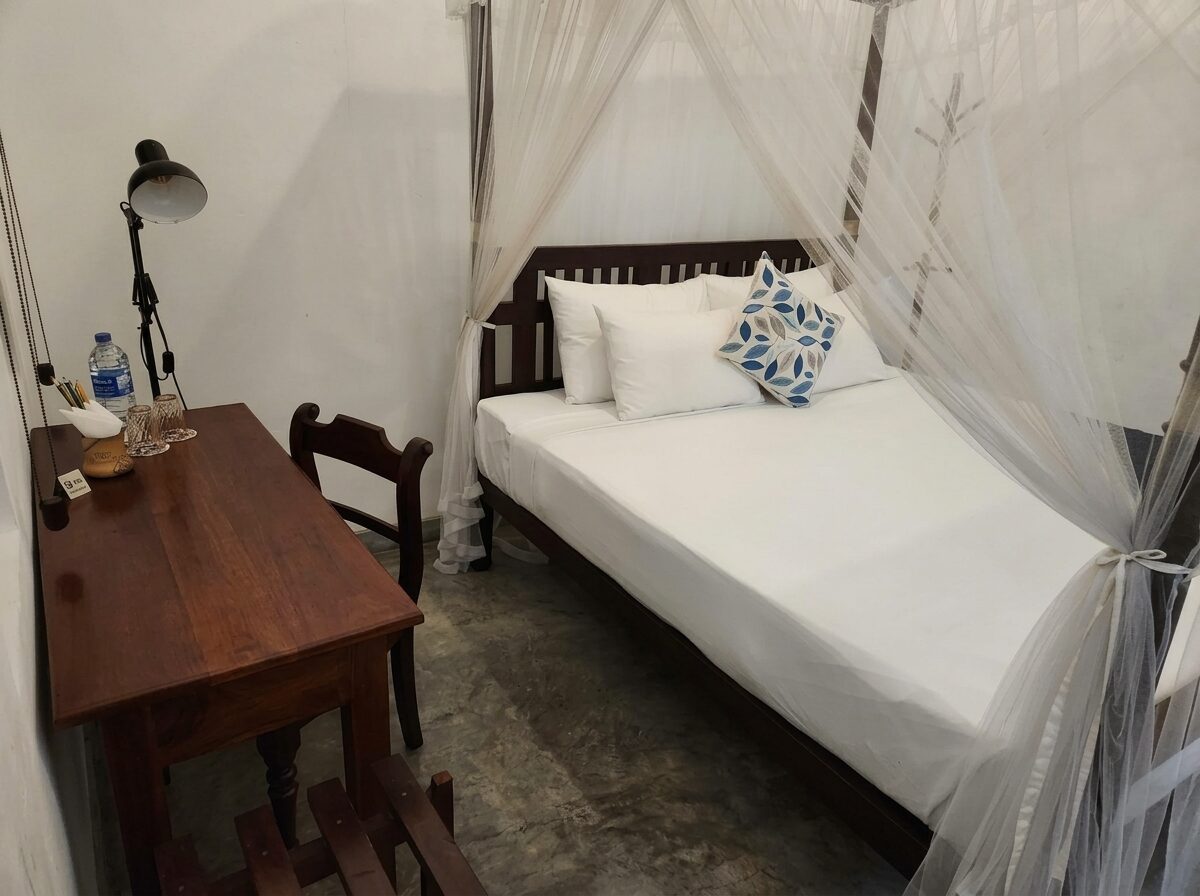
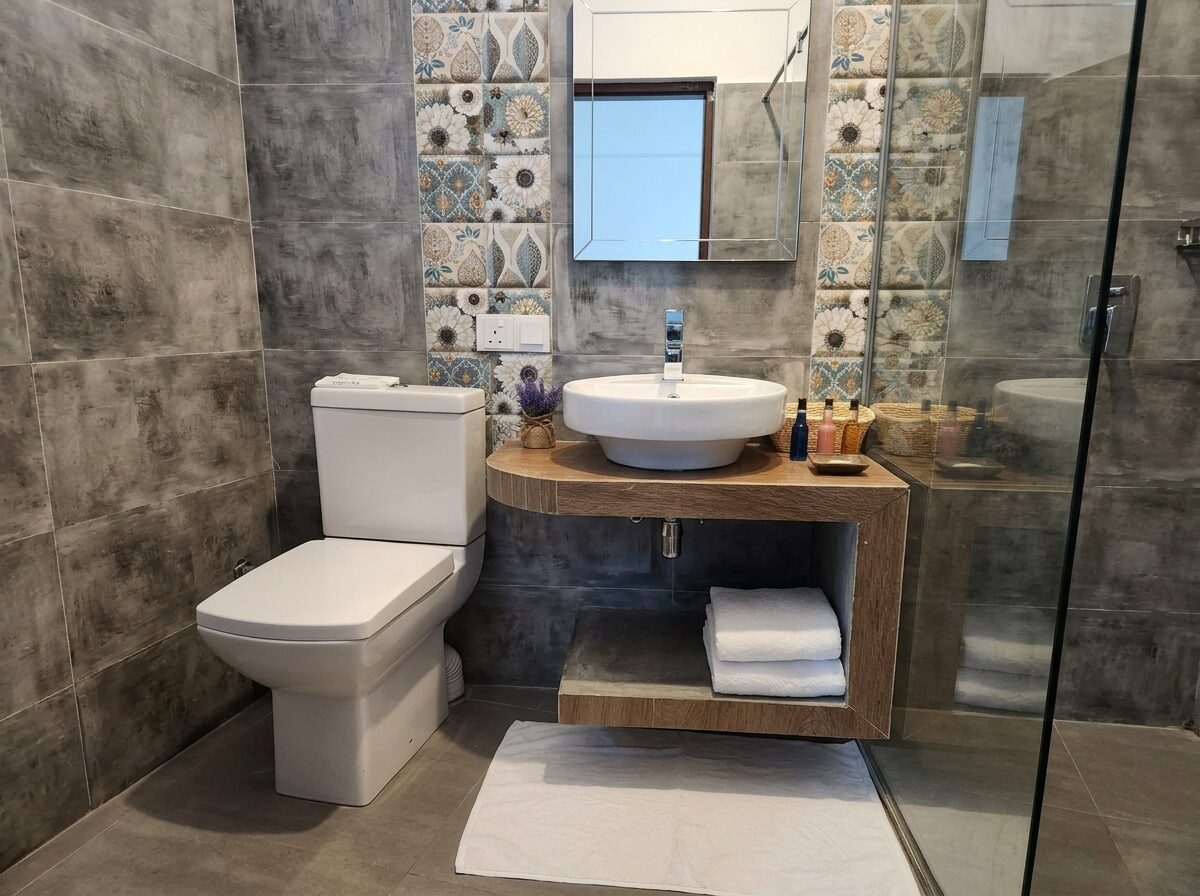
Inside, polished cement floors keep the rooms cool, four-poster beds are draped in white netting, and the old proportions — high ceilings, deep doorways — do most of the work.
Three generations
When our grandfather Sydney arrived in Galle Fort with his family, Zeegolf was a small house with a stable. Local travellers stayed the night, and over time the house became a well-known hangout for anyone passing through.
His daughter Mallika, trained in hospitality with a decade of experience, turned it into a proper home-stay with professional service. Guests called it the "Yellow House" after the colour of its walls. Today her nephew Manuja runs it as a boutique hotel — shaped by guest feedback, with modern comforts, but with the Dutch architecture and the culture of the Fort intact.
Living in the Fort
Galle Fort is a UNESCO World Heritage Site: a fortified peninsula of narrow streets, cafés, galleries and a working lighthouse, wrapped in ramparts where the whole town gathers at sunset. Zeegolf sits inside those walls, so everything is on foot.
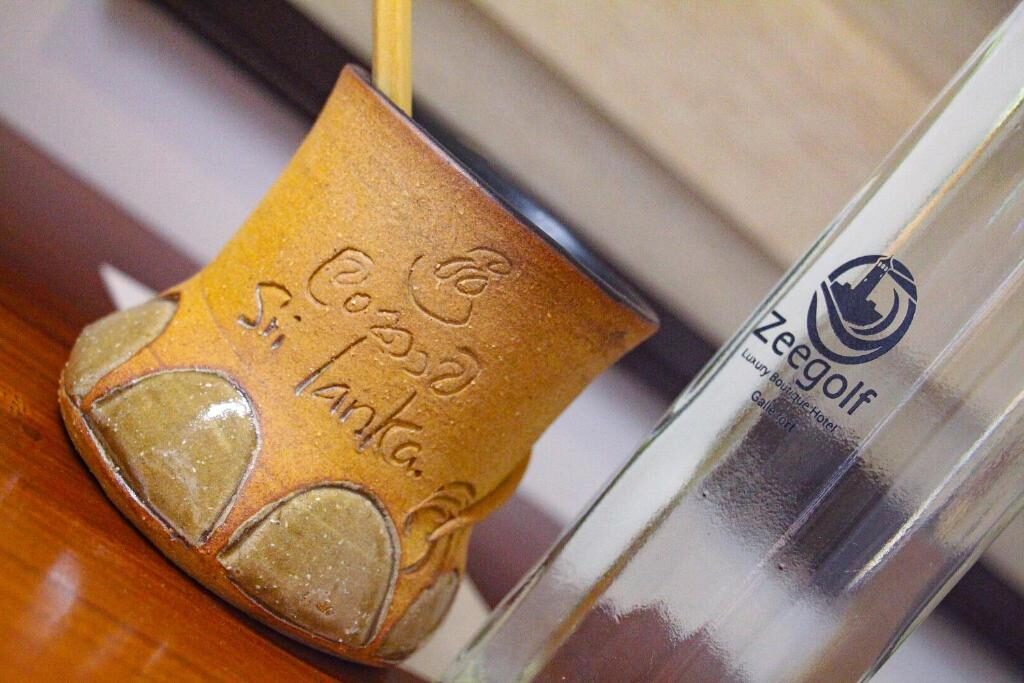
We keep things local and light: Ceylon tea served in hand-thrown clay cups, filtered water in glass rather than plastic, refillable toiletries, and honest advice about where to eat, swim and watch the sun go down.